Insights and advice from
the film experts
the film experts
When it comes to managing privacy, glare and heat in your home, the choice often comes down to blinds or window film.
But the best solution depends on more than just looks, it’s about climate, lifestyle and how you use each room. In sunny states like WA and NSW, window film is gaining traction as a low-maintenance, design-friendly alternative to bulky window coverings.
What does each option do best?
Blinds
- Create adjustable privacy
- Block out light completely when closed
- Provide a layered, textured design element
Window Film
- Filters light without blocking views
- Reduces heat and glare without cords or adjustments
- Offers a clean, modern look that lets your windows shine
Climate considerations in WA and NSW
Homes in Perth and across WA often face extreme summer heat, while Sydney and regional NSW deal with variable weather and high-density living.
- In WA, window film helps reduce solar heat gain and UV exposure, especially on north- and west-facing windows.
- In NSW, privacy film is ideal for apartments and terraces where neighbours are close by.
Unlike blinds, which need to be drawn closed to be effective, window film works 24/7 in the background blocking UV rays, reducing heat and providing privacy without darkening the room.
Maintenance and durability
Blinds
- Prone to dust buildup and fading
- Can break or jam over time
- Require manual or motorised adjustment
Window Film
- Easy to clean with glass-safe spray
- Won’t warp, fade or misalign
- No cords, chains or hardware to maintain
Aesthetics and design integration
For modern or minimalist interiors, window film offers a clean, seamless finish. It’s ideal for:
- Bathrooms and kitchens where moisture can affect blinds
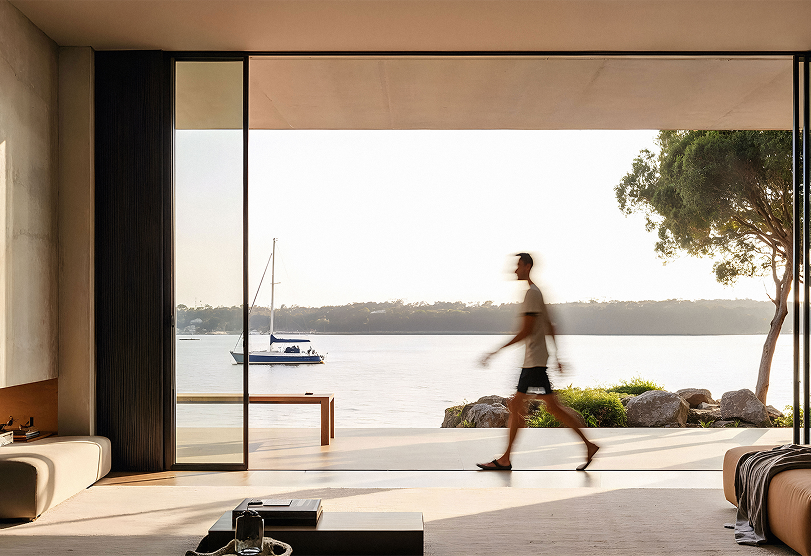
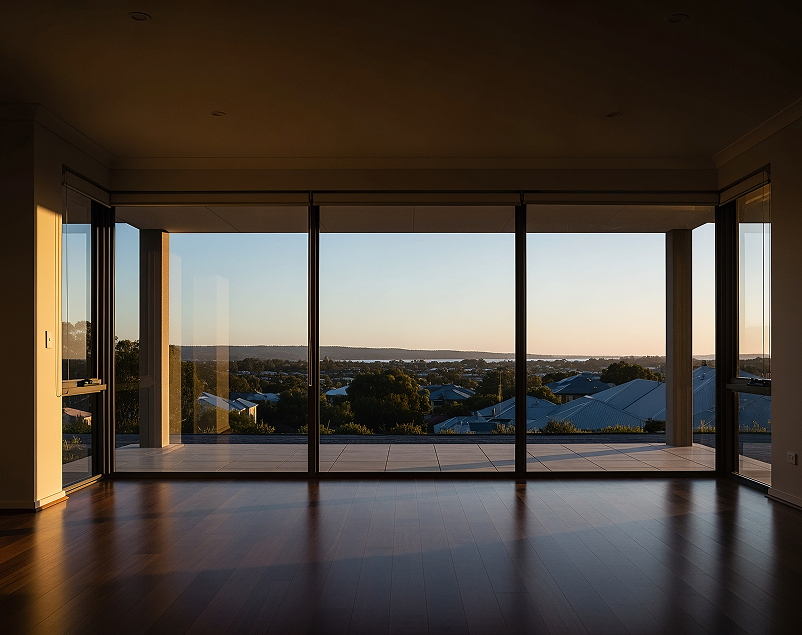
- Rooms with a view where you don’t want to block glass
- Renovations where space or heritage restrictions apply
Blinds, on the other hand, suit homes looking for softness, layering or more traditional decor but may limit daylight or make spaces feel smaller.