


Insights and advice from
the film experts
the film experts
2025 trends in architectural film design and applications
Architectural film continues to evolve in both design and performance. Film solutions are playing a larger role in how we finish, brand and protect modern spaces. Whether you’re an architect, designer or property manager, understanding the latest trends can help you specify film with more confidence and creativity.
Surface wraps are replacing full fit-outs
As the demand for low-impact refurbishments grows, surface wraps are becoming a go-to tool. These durable films replicate materials like woodgrain, marble and matte stone, giving joinery and cabinetry a fresh new look without replacement.
Common applications include:
- Office desks and meeting tables
- Retail counters and display units
- Hotel wardrobes and bathroom vanities
Surface finishes can now be installed quickly with minimal downtime and a fraction of the cost of new fit-outs.
Decorative privacy film is getting smarter
Frosted glass is no longer the only option for privacy. In 2025, expect to see more designers using patterned, textured and gradient films that balance openness with control.
Trends to watch:
- Geometric or abstract frosts
- Gradient film to reduce glare and soften visibility
- Dual-purpose decorative film that adds privacy and brand texture
These films are especially popular in healthcare, education and collaborative offices where open glass needs subtle separation.
Branded film is blending identity and function
Companies are moving beyond logos and toward full branded experiences through glass and surfaces. Film makes it easy to add identity to a space while maintaining light flow and meeting practical needs.
Popular approaches include:
- Branded frosting in reception areas
- One-way vision film for shopfronts
- Custom vinyl lettering on glass walls or entry doors
- Full-height prints in hospitality or retail zones
As brands seek more cohesive environments, film is becoming a core part of the visual language.
Sustainable film solutions are in demand
More projects are prioritising energy efficiency and sustainable materials. Architectural films are helping buildings meet these goals without major structural changes.
Key benefits of film for sustainability:
- Improved thermal performance
- Reduced energy use for heating and cooling
- Lower material waste compared to demolition and rebuilds
Solar film and insulation film are especially valuable for buildings aiming to improve NABERS or Green Star ratings.
Hybrid workspaces are driving more flexible film design
With workspaces shifting to hybrid models, glass partitions and adaptable zones are more common than ever. Film is playing a key role in creating visual flexibility across these spaces.
Design trends include:
- Removable or repositionable graphics
- Writable whiteboard film for collaboration
- Privacy film that supports zoning without walls
Architectural film is helping teams strike the balance between open and private, shared and personal.
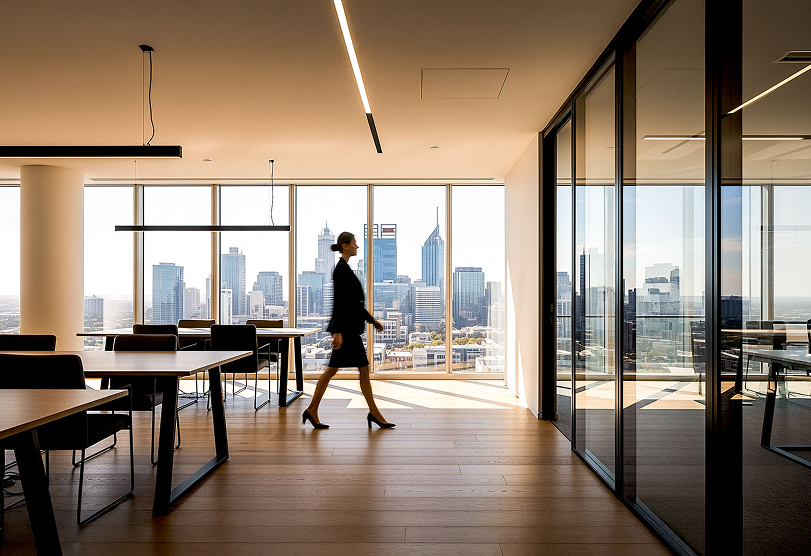
Whether you’re designing for comfort, performance or brand experience, architectural film continues to deliver flexible and future-ready solutions. If you’re planning a fit-out or upgrade in 2025, our team can help you explore film options that align with your space and style.